Temple Dress Codes in Thailand: A Senior-Friendly Guide to Saving Time
Visiting sacred sites is a highlight of any trip to Southeast Asia, but navigating the strict temple dress codes in Thailand can feel overwhelming, especially for seniors who value comfort and efficiency. Nothing disrupts a well-planned itinerary like being turned away at the entrance for an inappropriate outfit. This guide is designed to help you prepare effectively, ensuring you respect local customs while maintaining comfort and saving time during your temple tours.
temple dress codes in Thailand: The Core Rules of Temple Attire
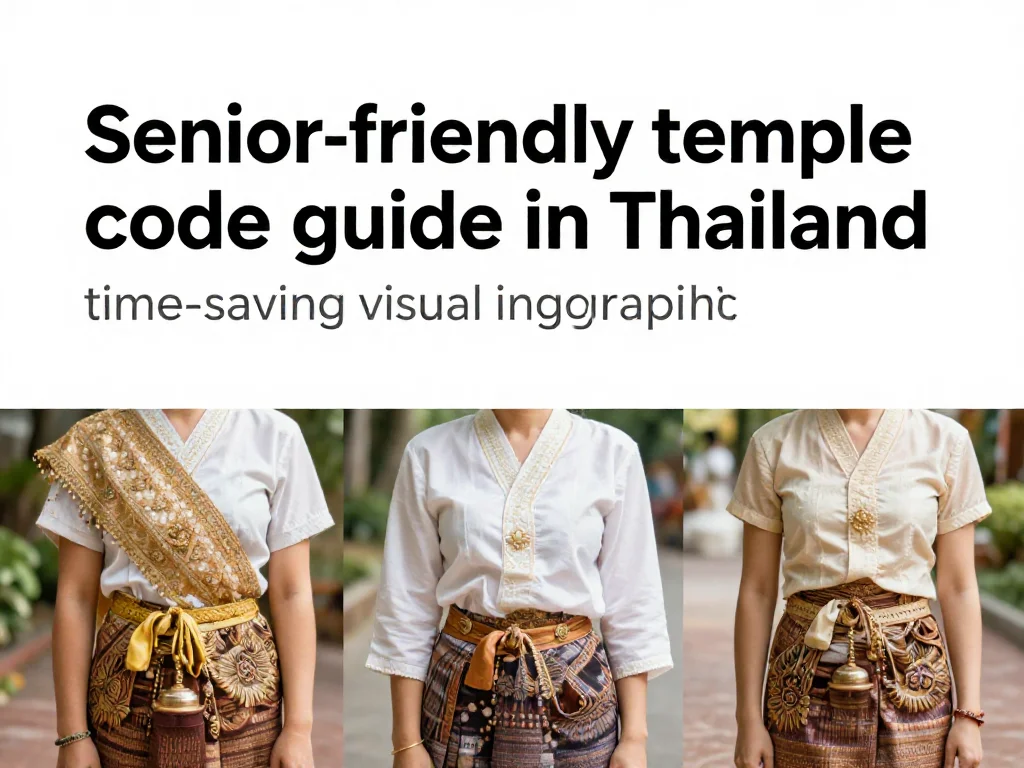
At its heart, the dress code at Thai temples is about modesty and respect. Because temples are active places of worship, the visual standard is conservative. For both men and women, the golden rule is to keep your shoulders and knees covered. This applies universally across almost all Buddhist temples in the country, from the grand Grand Palace in Bangkok to smaller, local wats in Chiang Mai.
Why does this matter for seniors? Many travelers mistakenly believe that wrapping a scarf around their shoulders at the gate is sufficient. While this sometimes works, security personnel have become increasingly strict. Relying on rental sarongs at the entrance often leads to long queues, lost deposits, and unnecessary stress in the tropical heat. Preparation is your best tool for a smooth experience.
Senior-Friendly Packing Strategy
Packing for a trip that includes temple visits doesn’t mean sacrificing comfort. The key is choosing breathable, lightweight fabrics that cover the necessary areas without causing overheating. Linen and high-quality cotton are your best friends in the Thai climate.
Recommended Clothing Checklist
- Loose-fitting trousers: Avoid tight leggings or skinny jeans, which may be deemed inappropriate.
- Maxi skirts or dresses: Ensure they reach below the knee; mid-calf or ankle-length is ideal.
- Lightweight long-sleeve shirts or blouses: These provide sun protection and meet the shoulder-covering requirement.
- Slip-on shoes: You will be taking your shoes off frequently. Avoid complex laces or buckles.
- A light cardigan or pashmina: Perfect for air-conditioned transport or quick coverage if you are wearing a sleeveless top.
Comparative Guide: What to Wear vs. What to Avoid
To help you visualize your outfit choices, use this table to plan your daily attire before leaving your accommodation.
| Item | Acceptable | Avoid |
|---|---|---|
| Tops | T-shirts, blouses with sleeves, polo shirts | Tank tops, spaghetti straps, crop tops |
| Bottoms | Trousers, long skirts, loose culottes | Shorts above the knee, mini-skirts, leggings |
| Footwear | Slip-on shoes, comfortable walking sandals | Bare feet (unless inside), complex lace-up boots |
| Accessories | Sun hat (for outside only), sunglasses | Hats worn inside the temple structure |
If you arrive and realize your outfit isn’t quite up to code, don’t panic. Major tourist sites like the Grand Palace or Wat Phra Kaew have rental services. However, these services are often crowded. For seniors, the best approach is the ‘Layering Method.’ Keep a lightweight, large sarong in your day bag. If you are wearing a sleeveless top or shorter pants, simply wrap the sarong around your waist or over your shoulders before approaching the security checkpoint. This saves you from standing in the rental line, which can be exhausting in the heat.
Common Mistakes and How to Avoid Them
Even well-intentioned travelers make mistakes. One common error is assuming that because a temple is ‘less famous,’ the rules don’t apply. While local temples may be more lenient, it is still respectful to dress modestly. Another mistake is forgetting the ‘no shoes’ rule. Always observe where others are leaving their shoes. If you see a pile of footwear near the entrance, it is a clear signal that you must remove yours before stepping onto the temple grounds or into the prayer hall.
Conclusion
Adhering to temple dress codes in Thailand is a simple way to show respect for local culture and ensure your day of sightseeing goes off without a hitch. By prioritizing breathable fabrics, keeping a light sarong handy, and opting for slip-on footwear, you can focus on the stunning architecture and peaceful atmosphere of Thailand’s temples rather than worrying about your attire. Preparation is the key to a relaxed and meaningful travel experience.
Frequently Asked Questions (FAQ)
Generally, no. Leggings are often considered too form-fitting. It is better to wear loose-fitting trousers or a long skirt to ensure you are granted entry without question.
Yes, sandals are perfectly acceptable as long as they are decent and comfortable. Just remember that you will need to take them off before entering the main temple building, so choose a pair that is easy to slip on and off.
No, you do not need to cover your head in Buddhist temples. However, you should remove any hat or cap before entering the temple structure as a sign of respect.