Navigating Thailand’s Rich Culture: A Senior’s Guide to Respectful Travel and Avoiding Scams

- Navigating Thailand’s Rich Culture: A Senior’s Guide to Respectful Travel and Avoiding Scams
- Navigating Thailand’s Rich Culture: Understanding Thai Culture and Etiquette
- Navigating Religious Sites with Reverence
- Avoiding Common Scams Targeting Tourists
- Transportation and Accommodation Tips for Seniors
- Health and Safety Considerations
- Comparison: Common Tourist Scams vs. Genuine Opportunities
- Checklist for Respectful Travel in Thailand
- Conclusion
- Frequently Asked Questions (FAQ)
Navigating Thailand’s Rich Culture: Thailand, the ‘Land of Smiles,’ offers an enchanting blend of vibrant traditions, breathtaking landscapes, and warm hospitality. For senior travelers, it presents an opportunity for enriching experiences, but navigating its rich culture requires a thoughtful approach to ensure respect and avoid potential pitfalls. This guide is designed to equip seniors with the knowledge to travel respectfully and steer clear of common scams, ensuring a safe and unforgettable journey.
Respect is paramount in Thai society. The concept of ‘kreng jai‘ – a delicate consideration for others’ feelings and avoiding causing offense – underpins many social interactions. Understanding key etiquette points will significantly enhance your experience.
Key Etiquette Points:
- The Wai: The traditional Thai greeting involves pressing palms together. As a senior traveler, you can return a wai with a slight nod and a smile, or a simpler wai if you feel comfortable.
- Head and Feet: The head is considered sacred, so avoid touching anyone’s head. Conversely, the feet are considered the lowest part of the body; do not point your feet at people or religious symbols. Remove your shoes before entering homes, temples, and some shops.
- Royal Family: The monarchy is deeply revered. Any disrespect, even unintentional, can cause serious offense. Avoid making negative comments about the King or royal family.
- Dress Code: While Thailand is generally relaxed, dress modestly when visiting temples. Cover your shoulders and knees. For men, long trousers and a shirt with sleeves are appropriate. For women, a skirt or trousers that cover the knees and a shirt with sleeves are recommended.
- Public Displays of Affection: Overt displays of affection are generally frowned upon. Keep public displays of affection to a minimum.
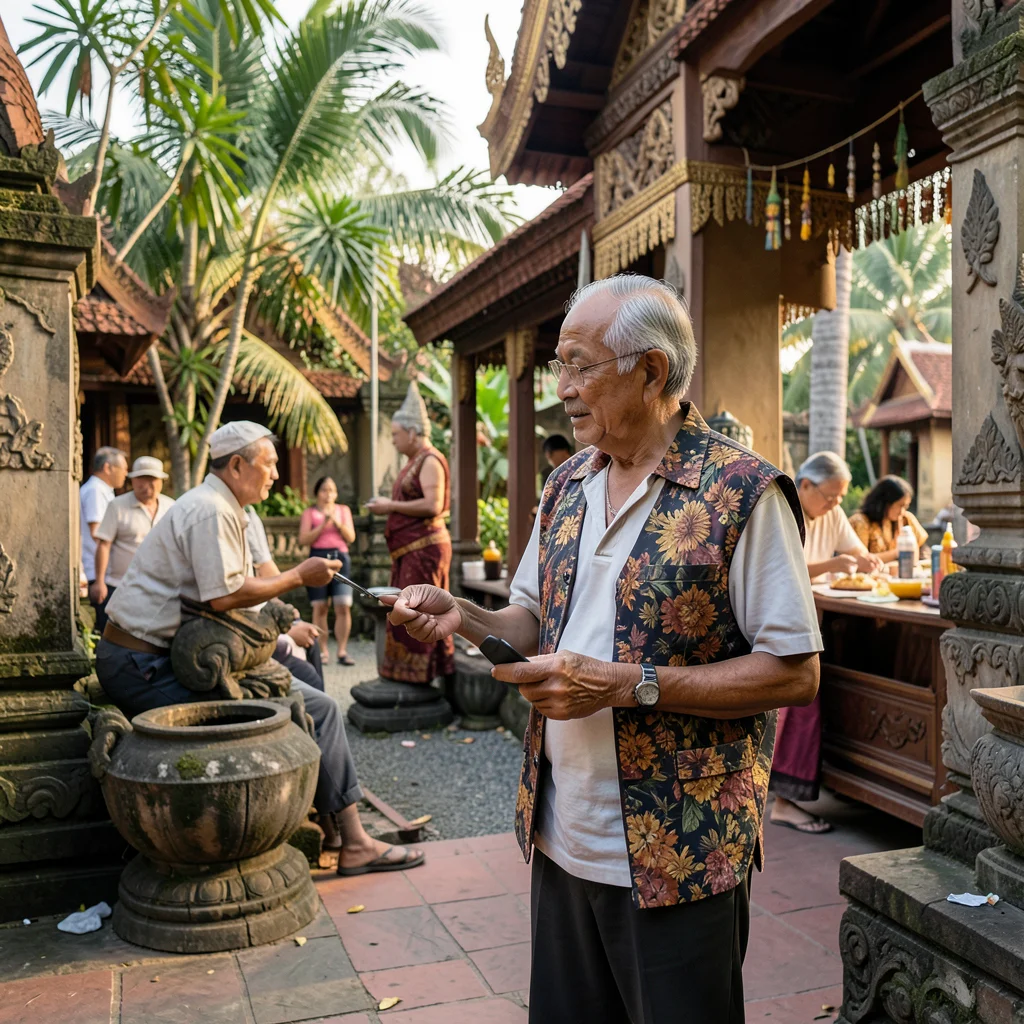
Temples (Wats) are sacred places of worship and offer a glimpse into Thailand’s spiritual heart. Approaching these sites with respect is crucial for a meaningful visit.
Visiting Temples:
- Dress Code: As mentioned, modest dress is essential. This includes covering shoulders and knees.
- Behavior: Be quiet and respectful. Avoid loud conversations or disruptive behavior.
- Buddha Images: Never touch or climb on Buddha images. It is also considered disrespectful to point your feet towards a Buddha image. When taking photos, ensure you are not disrespecting the sanctity of the place.
- Monks: Monks are highly respected. Women should avoid touching monks. If offering alms, place them in the monk’s bowl from a distance.
Avoiding Common Scams Targeting Tourists
While Thailand is generally safe, like any popular tourist destination, it has its share of scams. Being aware of these can help seniors protect themselves and their belongings.
Common Scams to Watch For:
- Tuk-Tuk Scams: Be wary of overly friendly tuk-tuk drivers offering suspiciously cheap tours. They often take you to shops where they receive commissions, wasting your time and pressuring you to buy. Agree on a price and destination clearly before starting.
- Gem Scams: Tourists are sometimes lured into buying fake or overpriced gems. Only buy from reputable dealers with clear return policies.
- Tailor Scams: Be cautious of tailors who promise quick, cheap custom suits. Poor quality materials and hidden costs are common.
- Grand Palace Scam: A common trick is to tell you the Grand Palace is closed and offer an alternative tour. The Grand Palace is almost always open during its stated hours.
- Jet Ski/Scooter Damage Scams: Before renting, thoroughly inspect any jet ski or scooter for pre-existing damage and take photos/videos. Insist on a written report of any damage.
General Advice: Always be polite but firm. If a deal seems too good to be true, it probably is. Trust your instincts. If approached by overly aggressive touts, simply walk away politely.
Transportation and Accommodation Tips for Seniors
Comfort and accessibility are key considerations for senior travelers. Thailand offers various options, but planning is essential.
Transportation:
- Taxis: Use metered taxis whenever possible. Insist the driver uses the meter. For longer distances or airport transfers, pre-booked services or reputable ride-sharing apps can be more reliable.
- BTS Skytrain & MRT Subway (Bangkok): These are excellent, air-conditioned options for getting around Bangkok, often bypassing traffic. Stations are usually well-equipped with elevators and escalators, though some older stations might have more stairs.
- Domestic Flights: For traveling between major cities, domestic flights are efficient and increasingly affordable.
Accommodation:
- Hotels: Look for hotels with good reviews regarding service, cleanliness, and accessibility. Many larger hotels offer amenities like elevators, accessible rooms, and helpful staff.
- Location: Choose accommodation that is conveniently located near public transport, attractions, or amenities you might need.
Health and Safety Considerations
Prioritizing health and safety ensures a comfortable and worry-free trip.
Health:
- Travel Insurance: Ensure you have comprehensive travel insurance that covers medical emergencies.
- Hydration: Drink plenty of bottled water, especially in the tropical heat. Avoid tap water.
- Food Safety: Eat at busy restaurants where food turnover is high. Be cautious with street food if you have a sensitive stomach, though much of it is safe and delicious.
- Vaccinations: Consult your doctor about recommended vaccinations well in advance of your trip.
Safety:
- Emergency Numbers: Know the local emergency numbers (Tourist Police: 1155).
- Valuables: Keep your valuables secure and avoid displaying large amounts of cash or expensive jewelry.
- Nightlife: Be cautious if venturing into nightlife areas, especially if consuming alcohol.
Comparison: Common Tourist Scams vs. Genuine Opportunities
Distinguishing between a genuine experience and a scam can be challenging. This table highlights common red flags versus genuine opportunities.
| Characteristic | Common Scam Red Flag | Genuine Opportunity |
|---|---|---|
| Offer | “Special” tour, unbelievable prices, unsolicited advice | Clear pricing, reputable tour operators, official information sources |
| Transportation | Unmetered tuk-tuks, drivers insisting on fixed prices for short trips | Metered taxis, reputable ride-sharing apps, official airport/train station transport |
| Shopping | High-pressure sales, vague return policies, claims of “special deals” | Reputable shops with clear pricing, return policies, and official documentation |
| Interactions | Overly friendly strangers, immediate invitations to “exclusive” places | Polite local interactions, opportunities to learn about culture organically |
| Documentation | Verbal agreements only, no receipts, “official” looking but fake passes | Written contracts, official tickets, clear documentation, verifiable credentials |
Checklist for Respectful Travel in Thailand
Before you embark on your journey, use this checklist to ensure you are well-prepared for a respectful and safe adventure.
- Research: Familiarize yourself with basic Thai phrases, cultural norms, and common scams.
- Documentation: Ensure your passport, visa (if needed), and travel insurance are up-to-date. Make copies and store them separately.
- Health: Consult your doctor for vaccinations and pack a basic first-aid kit.
- Clothing: Pack modest clothing suitable for temple visits and warm weather.
- Money: Carry a mix of cash and cards. Inform your bank about your travel dates.
- Communication: Consider getting a local SIM card for easier navigation and communication.
- Attitude: Approach your trip with an open mind, patience, and a willingness to learn and adapt.
- Respect: Always remember to be respectful of local customs, traditions, and people.
Conclusion
Thailand offers a world of wonder for senior travelers. By understanding and respecting its rich culture, being mindful of local customs, and staying aware of potential scams, you can ensure a deeply rewarding and safe travel experience. Embrace the ‘Land of Smiles’ with an open heart and a prepared mind, and you will undoubtedly create cherished memories that last a lifetime.
Frequently Asked Questions (FAQ)
What is the most important aspect of Thai culture for tourists to understand?
The most important aspect is ‘kreng jai,’ which emphasizes consideration for others and avoiding offense. This translates to being mindful of your behavior, speech, and interactions to show respect.
How can I respectfully interact with monks in Thailand?
Monks are highly respected. Avoid touching them, especially if you are a woman. Maintain a respectful distance, and if offering alms, do so from a distance or with guidance. Never point your feet towards a monk or a Buddha image.
What’s the best way to avoid being scammed by tuk-tuk drivers?
Always agree on the price and destination before starting the ride. If the price seems too low or the driver is overly insistent on taking you to specific shops, it’s a potential red flag. It’s often safer to use metered taxis or reputable ride-sharing apps.
Is it safe for seniors to travel alone in Thailand?
Thailand is generally safe for solo senior travelers, but it’s always wise to be cautious. Stay aware of your surroundings, avoid risky situations, and trust your instincts. Knowing basic Thai phrases and having emergency contacts readily available can be very helpful.
What kind of clothing is appropriate for visiting temples?
Modest clothing is essential. This means covering your shoulders and knees. For men, long trousers and a shirt with sleeves are recommended. For women, a skirt or trousers that cover the knees and a shirt with sleeves are appropriate. Avoid revealing clothing.