Thailand’s Cultural Etiquette: Your Essential Guide for a Safe and Money-Free First Visit

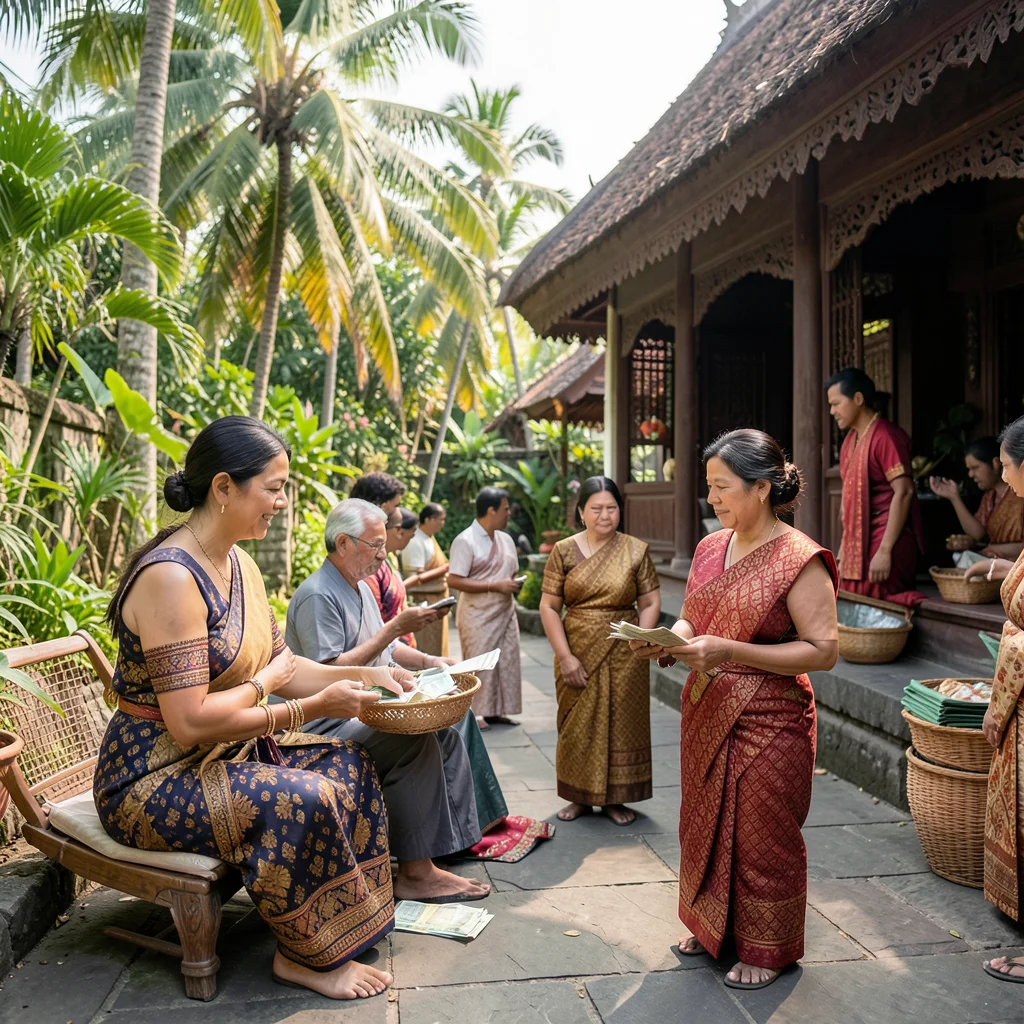
Thailand’s Cultural Etiquette: Your Essential Guide for a Safe and Money-Free First Visit
Embarking on your first adventure to the Land of Smiles? Thailand is a vibrant tapestry of rich culture, stunning landscapes, and warm hospitality. To ensure your journey is not only memorable but also respectful and hassle-free, understanding Thailand’s cultural etiquette is paramount. This comprehensive guide will equip you with the essential knowledge to navigate social norms, stay safe, and even save money, making your initial visit a truly enriching experience.
Mastering Thailand’s cultural etiquette means showing respect for local customs and traditions, which are deeply ingrained in daily life. From greetings and dress codes to temple visits and dining, a little awareness goes a long way. This guide focuses on practical advice for first-time visitors, ensuring you can immerse yourself in the local culture with confidence and ease, all while keeping your budget in check.
Thailand’s cultural etiquette: The Wai: Thailand’s Traditional Greeting
The ‘wai’ is the quintessential Thai greeting, a gesture of respect and acknowledgment. It involves pressing your palms together in a prayer-like fashion, usually with fingertips pointing upwards, and bowing slightly. The height of the hands and the depth of the bow depend on the social status of the person being greeted. As a visitor, a gentle wai with hands at chest level, accompanied by a slight nod, is generally appropriate when greeting elders, monks, or people you are meeting for the first time.
It’s important to note that you are not expected to wai to service staff, children, or people significantly younger or of lower social standing. Returning a wai is a sign of politeness, but if someone wais you and you are unsure how to respond, a simple smile and a nod are acceptable. Avoid touching someone’s head, as it is considered the most sacred part of the body. Similarly, never point your feet at anyone or at religious images, as the feet are considered the lowest part of the body.
Respectful Dress and Demeanor
Modesty is key when it comes to dress in Thailand, especially when visiting temples or rural areas. Shoulders and knees should be covered. Lightweight, breathable clothing is ideal for the tropical climate. Avoid overly revealing attire such as short shorts, tank tops, or low-cut shirts, particularly when visiting sacred sites. Many temples provide sarongs for rent or a small fee if you arrive underdressed, but it’s best to be prepared.
Public displays of affection are generally frowned upon. While holding hands might be acceptable in some tourist areas, more overt displays can make locals uncomfortable. Maintaining a calm and polite demeanor is highly valued. Thailand is known as the ‘Land of Smiles’ for a reason; a friendly attitude and a willingness to smile can smooth over many potential misunderstandings.
Temples (Wats) are places of worship and spiritual significance. When visiting, always remove your shoes before entering any building. Dress modestly, covering shoulders and knees. Avoid pointing your feet towards Buddha images or monks. It is also considered disrespectful to touch monks or their robes. If you wish to take photographs, always ask for permission first, especially if it involves people.
Be mindful of your voice and behavior within temple grounds. Loud talking or running is inappropriate. Remember that the Buddha image is sacred; never climb on statues or treat them casually. The head is considered sacred, and the feet are considered the lowest part of the body, so avoid touching anyone’s head or pointing your feet at people or religious objects.
Dining Etiquette and Saving Money
Thai cuisine is a highlight for many visitors, and understanding dining etiquette can enhance the experience. Meals are typically shared, with several dishes placed in the center of the table. Use your spoon to eat, and your fork to push food onto the spoon. Chopsticks are generally used only for noodle dishes. It’s polite to try a bit of everything offered. Avoid leaving food on your plate, but finishing every last morsel can sometimes imply you are still hungry and encourage more food to be served.
To save money on food, embrace street food culture. Thailand offers an incredible array of delicious and affordable street food. Look for stalls with a high turnover of customers, as this usually indicates freshness and quality. Eating at local markets and smaller, family-run restaurants will also provide a more authentic and budget-friendly dining experience compared to tourist-oriented establishments. Always carry small denominations of Thai Baht for easy transactions.
Safety and Practical Tips
While Thailand is generally safe for tourists, it’s wise to be aware of your surroundings and take standard precautions. Be cautious of scams, particularly those involving gem sales or overly friendly strangers offering unsolicited tours. Keep your valuables secure and be aware of your belongings in crowded places. For transportation, use reputable services like metered taxis, ride-sharing apps, or the BTS Skytrain and MRT subway in Bangkok. Always agree on a price or ensure the meter is used before starting a taxi journey.
Stay hydrated by drinking bottled water. Be adventurous with food but cautious with raw or unpeeled items if you have a sensitive stomach. Learning a few basic Thai phrases like ‘Sawasdee’ (hello/goodbye) and ‘Khop Khun’ (thank you) will be greatly appreciated by locals. Remember to be patient and understanding; things may not always run on a strict schedule, and embracing the relaxed pace of life is part of the Thai experience.
Essential Checklist for a Respectful Visit
- Dress Modestly: Cover shoulders and knees, especially when visiting temples.
- Learn Basic Phrases: ‘Sawasdee’ (hello/goodbye), ‘Khop Khun’ (thank you).
- Respect Sacred Sites: Remove shoes, avoid pointing feet, and be quiet.
- Mind Your Hands and Feet: Do not touch heads; avoid pointing feet at people or Buddha images.
- Embrace the Wai: Respond to greetings with a polite wai or smile and nod.
- Eat Smart: Explore street food and local eateries for authentic, affordable meals.
- Stay Aware: Be cautious of common tourist scams and keep valuables safe.
- Hydrate: Drink bottled water and stay refreshed.
Frequently Asked Questions (FAQ)
Q1: How do I show respect when greeting someone in Thailand?
A1: The traditional way is the ‘wai,’ a prayer-like gesture. For visitors, a gentle wai with hands at chest level and a slight bow is usually appropriate. A smile and nod are also acceptable if you are unsure.
Q2: What should I wear when visiting temples in Thailand?
A2: You must cover your shoulders and knees. Lightweight, loose-fitting clothing is recommended. Many temples offer sarongs for rent if needed.
Q3: Is it safe to eat street food in Thailand?
A3: Yes, street food is generally safe and delicious. Look for busy stalls with high customer turnover, indicating freshness. It’s also a great way to save money.
Q4: Should I tip in Thailand?
A4: Tipping is not mandatory but is appreciated for good service. In restaurants, rounding up the bill or leaving a small amount (5-10% in tourist areas) is common. Small tips for hotel staff or tour guides are also customary.
Q5: What is considered rude in Thailand?
A5: Touching someone’s head, pointing your feet at people or Buddha images, disrespecting the monarchy or religion, public displays of anger, and stepping over someone are considered rude.