Thailand Travel Tips 2026: Budget Backpackers’ Guide to Mobile Apps, Connectivity, and Staying Safe

Thailand Travel Tips 2026: Budget Backpackers’ Guide to Mobile Apps, Connectivity, and Staying Safe
- Thailand Travel Tips 2026: Budget Backpackers’ Guide to Mobile Apps, Connectivity, and Staying Safe
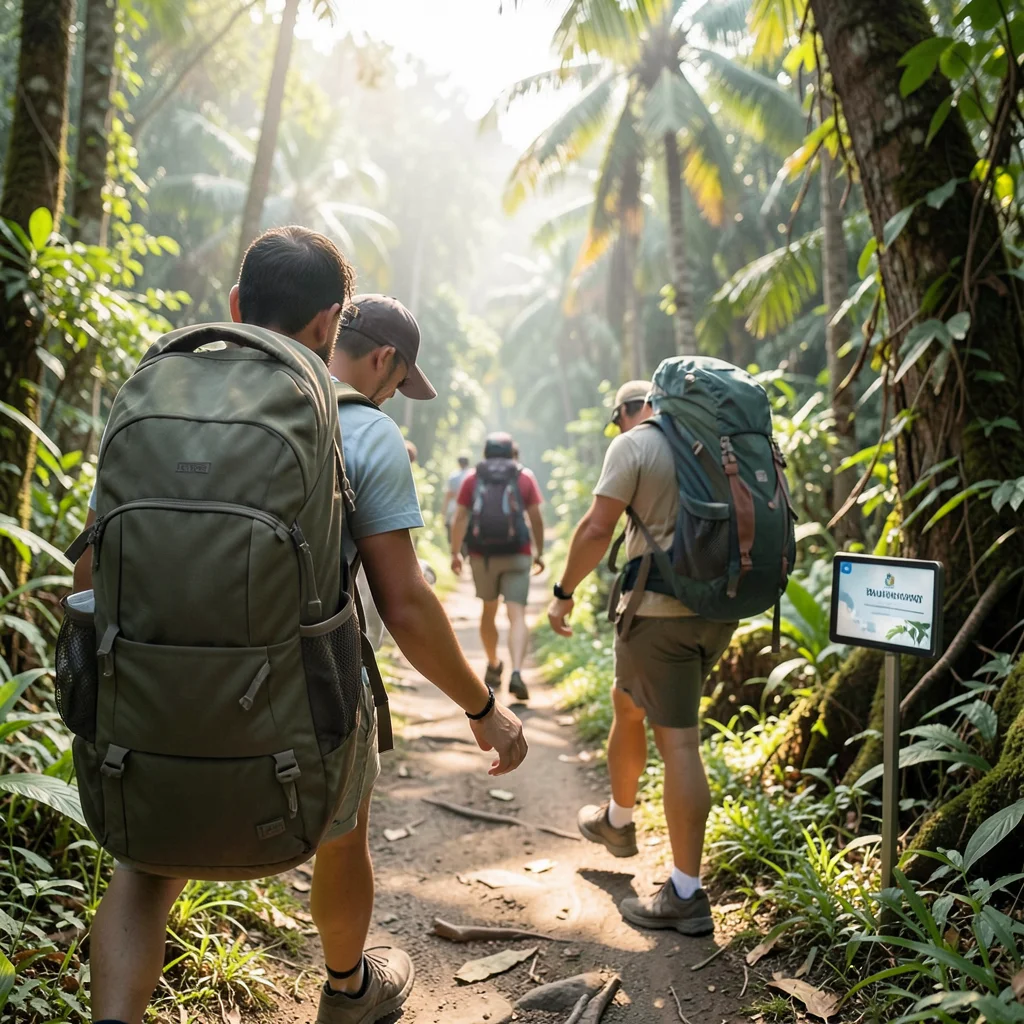
Planning an adventure in the Land of Smiles in 2026? For budget backpackers, navigating Thailand can be an incredible experience, especially when you leverage the right technology. This guide to Thailand travel tips 2026 focuses on how mobile apps, staying connected, and prioritizing safety can transform your trip from good to unforgettable. We’ll cover essential apps for navigation, communication, and local experiences, alongside practical advice on SIM cards, Wi-Fi, and keeping yourself secure.
Thailand travel tips 2026: Essential Mobile Apps for Backpackers
In 2026, your smartphone is your most valuable travel companion. Having the right apps downloaded before you arrive can save you time, money, and stress. Here are some must-haves:
Google Maps: Indispensable for navigating streets, finding public transport routes, and discovering points of interest. Download offline maps of Thailand to save data and ensure access even without a signal.
Maps.Me: A popular alternative offering detailed offline maps that are often more comprehensive for off-the-beaten-path locations.
Communication and Translation
WhatsApp: The go-to messaging app for most travelers and locals in Thailand. Essential for staying in touch with friends, family, and new travel buddies.
Google Translate: Crucial for overcoming language barriers. Use it for translating signs, menus, and basic conversations. The camera translation feature is a lifesaver.
Accommodation and Transportation Bookings
Agoda / Booking.com: Essential for finding and booking hostels, guesthouses, and budget hotels. Often offer better deals within Southeast Asia than other platforms.
Grab: Southeast Asia’s dominant ride-hailing app. Use it for affordable taxi rides, food delivery, and even motorbike taxis in some cities. It’s generally safer and more transparent than hailing random taxis.
Local Experiences and Utilities
Currency Converter Apps: Keep track of your spending and exchange rates easily.
Local Food Apps (e.g., Wongnai): While often in Thai, these can help you discover popular local eateries.
Connectivity: Staying Connected on a Budget
Staying connected in Thailand is surprisingly affordable and accessible for backpackers. Here’s how to manage your data and Wi-Fi needs:
Local SIM Cards vs. eSIM
Local SIM Cards: The most budget-friendly option. Major providers like AIS, TrueMove H, and dtac offer tourist SIM packages with generous data allowances for a few weeks. You can purchase these at the airport upon arrival or at convenience stores nationwide. Remember to bring your passport for registration.
eSIM: If your phone supports it, eSIMs offer convenience as you don’t need a physical card. Providers like Airalo offer Thailand travel eSIMs, though they can sometimes be slightly more expensive than local SIMs for comparable data. They are excellent for immediate connectivity upon landing.
Wi-Fi Availability
Free Wi-Fi is widely available in cafes, restaurants, shopping malls, airports, and most hostels and hotels. While convenient, it’s best to avoid accessing sensitive information (like banking) on public Wi-Fi networks. Always use a VPN if you must connect to public Wi-Fi for security.
Data Management Tips
To make your data last:
- Download offline maps and essential information.
- Set apps to update over Wi-Fi only.
- Limit video streaming and large downloads when on mobile data.
- Use Wi-Fi whenever possible.
Staying Safe: Practical Tips for Backpackers
Thailand is generally a safe country for travelers, but like anywhere, it pays to be aware and take precautions. Leveraging technology can enhance your safety.
Emergency Contacts and Apps
Save Emergency Numbers: Keep 1155 (Tourist Police) readily accessible. Also, save the contact details for your country’s embassy or consulate in Thailand.
Share Your Location: Use WhatsApp or Google Maps to share your live location with trusted friends or family back home, especially when traveling solo or heading to remote areas.
Scams and Common Pitfalls
Be wary of common tourist scams, such as gem scams, tuk-tuk tours that end at shops, or overly friendly strangers offering unsolicited help. If something sounds too good to be true, it probably is. Use apps like Grab for transport to avoid inflated taxi prices and dubious tour offers.
Health and Well-being
Ensure you have travel insurance. Download a reliable currency converter to budget effectively for medications or medical services if needed. Stay hydrated and protect yourself from the sun. For any health concerns, consult the World Health Organization (WHO) guidelines or your doctor before traveling.
Respecting Local Culture
Familiarize yourself with Thai customs and etiquette. Dress modestly when visiting temples. Learn a few basic Thai phrases using your translation app – a little effort goes a long way in showing respect and enhancing your interactions.
Comparison: Local SIM vs. eSIM for Backpackers
Choosing the right connectivity option is key for budget travelers.
| Feature | Local SIM Card | eSIM |
|---|---|---|
| Cost | Generally more affordable for data packages. | Can be slightly more expensive, but often includes wider coverage options. |
| Convenience | Requires purchase at airport/store, physical insertion, and registration. | Instant activation, no physical card needed, ideal for immediate use upon arrival. |
| Availability | Widely available from major Thai carriers (AIS, TrueMove H, dtac). | Available through third-party providers (e.g., Airalo) or directly from some carriers. |
| Flexibility | Can be harder to switch plans mid-trip without visiting a store. | Easy to switch between plans or providers for different destinations. |
| Ideal For | Long-term budget travelers prioritizing data volume. | Short-term travelers, those needing immediate connectivity, or frequent travelers. |
Backpacker’s Connectivity & Safety Checklist
Before you embark on your Thai adventure, ensure you’ve covered these essentials:
- Download Offline Maps: Google Maps or Maps.Me for Thailand.
- Install Key Apps: WhatsApp, Google Translate, Grab, Agoda/Booking.com.
- Consider Connectivity: Research local SIM card deals or eSIM options.
- Save Emergency Numbers: Tourist Police (1155), Embassy/Consulate.
- Set Up Location Sharing: With a trusted contact.
- Inform Your Bank: Notify them of your travel dates to avoid card issues.
- Check Phone Compatibility: Ensure your phone is unlocked and compatible with Thai networks.
- Secure Your Valuables: Use hotel safes and be mindful of your belongings in crowded areas.
- Learn Basic Phrases: Even a few words like ‘hello’ (sawasdee) and ‘thank you’ (khob khun) are appreciated.
- Pack a Portable Charger: Essential for keeping your devices powered on the go.
Frequently Asked Questions (FAQ)
Here are answers to some common questions budget backpackers have about traveling in Thailand.
How much does a Thai SIM card typically cost for tourists?
Tourist SIM packages from major providers like AIS, TrueMove H, and dtac generally range from 300 to 1000 Thai Baht (THB), depending on the data allowance and validity period (usually 7, 15, or 30 days). For around 500-700 THB, you can often get a package with ample data for a few weeks of moderate use.
Is it safe to use Grab in Thailand?
Yes, Grab is generally considered safe and reliable for backpackers. It offers transparent pricing, allows you to track your driver, and provides a record of your journey. It’s often a better and more trustworthy alternative to hailing random taxis, especially in tourist-heavy areas.
What is the best way to exchange money in Thailand?
For the best exchange rates, it’s recommended to use currency exchange booths like Superrich (which has several branches, often with the best rates) or authorized banks. ATMs are widely available, but withdrawal fees can add up. Avoid exchanging money at small tourist kiosks or hotels, as their rates are usually less favorable.
Do I need a VPN in Thailand?
While not strictly mandatory for casual browsing, using a VPN is highly recommended, especially when connecting to public Wi-Fi networks in cafes, airports, or hostels. It encrypts your internet traffic, protecting your personal data from potential hackers and ensuring your online privacy. Some content might also be geo-restricted, which a VPN can help bypass.
What are the main scams to watch out for in Thailand?
Common scams include the ‘Grand Palace scam’ (where you’re told it’s closed and offered an alternative tour), gem scams, overpriced tuk-tuk rides leading to specific shops, and sometimes inflated prices for items or services. Always be polite but firm, do your research, and trust your instincts. If a deal seems too good to be true, it usually is. Using ride-hailing apps like Grab can help avoid some transport-related scams.
By embracing these Thailand travel tips for 2026, budget backpackers can navigate the country with confidence, stay connected affordably, and ensure a safe and memorable journey. Happy travels!