Digital Payments and QR Codes in Thailand: Your Guide to Avoiding Scams and Saving Money

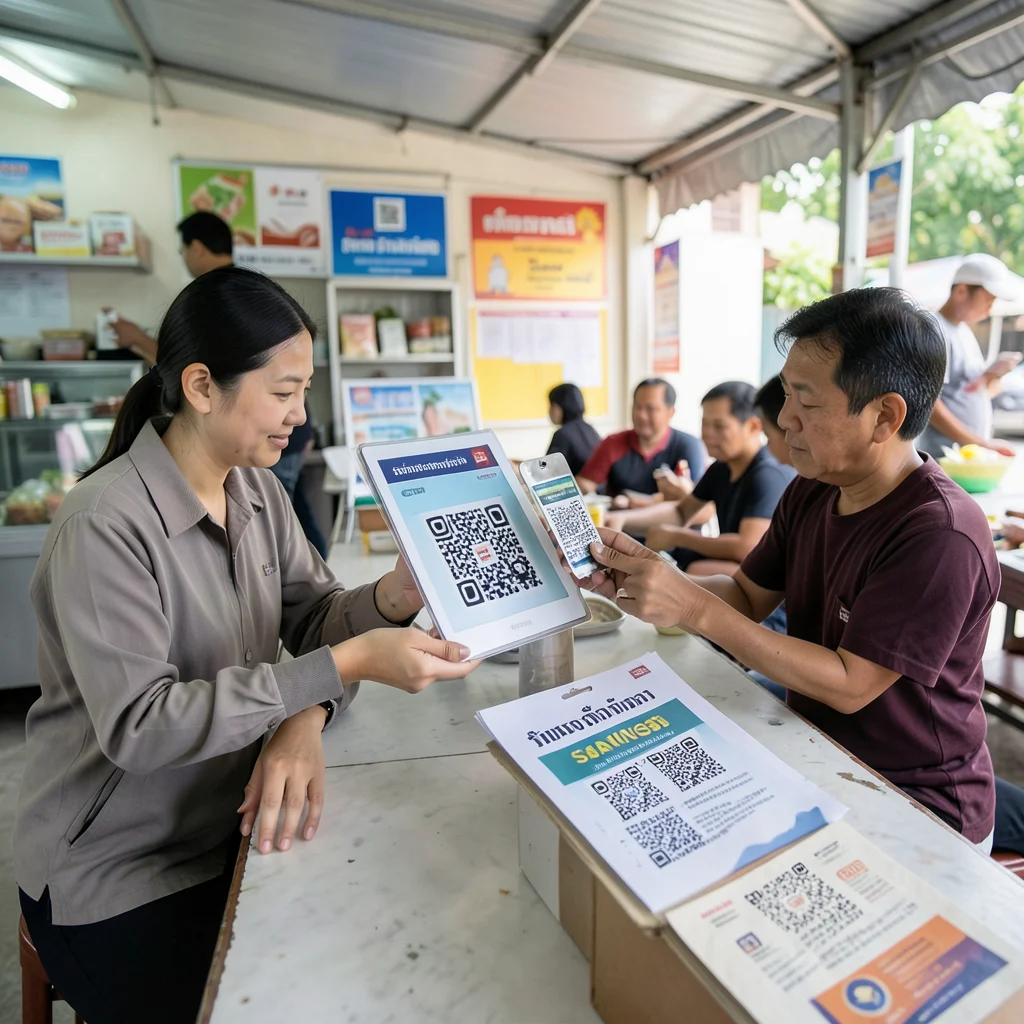
Digital Payments and QR Codes in Thailand: Your Guide to Avoiding Scams and Saving Money
Thailand has rapidly embraced digital transactions, with QR codes becoming an ubiquitous feature of daily life, from street food vendors to high-end retail. While these advancements offer unparalleled convenience and potential savings, they also introduce new avenues for scams. This guide will equip you with the knowledge to navigate the landscape of digital payments and QR codes in Thailand safely, helping you avoid fraudulent schemes and uncover opportunities to save money.
Digital Payments and QR Codes in Thailand: The Rise of QR Codes in Thailand
The adoption of QR codes for payments in Thailand has been driven by several factors. Government initiatives like the PromptPay system have encouraged interoperability between banks, making instant transfers seamless. Mobile banking penetration is high, and consumers appreciate the speed and ease of scanning a code to pay, eliminating the need for cash or physical cards. This digital shift is evident everywhere, from small market stalls to large shopping malls, making it essential for anyone living in or visiting Thailand to understand how to use these systems effectively.
Understanding Common QR Code Scams
As with any popular technology, scammers have found ways to exploit QR codes. Being aware of these tactics is your first line of defense:
1. Fake Payment QR Codes: Scammers may place fake QR codes over legitimate ones at payment terminals or on menus. When you scan these, your payment goes directly to the scammer instead of the merchant. This is particularly common in tourist areas or busy markets.
2. Phishing via QR Codes: Scanning a malicious QR code can redirect you to a fake website designed to steal your login credentials for banking apps or other sensitive information. These sites often mimic legitimate services to trick you into entering your details.
3. Fake Invoice Scams: You might receive an email or message with a QR code, claiming to be an invoice for a service or product you supposedly ordered. Scanning it could lead to malware installation or fraudulent charges.
4. QR Code Lottery Scams: You might be told you’ve won a prize and need to scan a QR code to claim it. This often leads to a phishing site or a request for personal information.
How to Stay Safe: Practical Tips
Protecting yourself from these scams is straightforward if you follow these best practices:
- Inspect QR Codes: Always visually inspect QR codes before scanning. Look for signs of tampering, such as stickers placed over existing codes or unusual placement. If a code looks suspicious, ask the merchant to confirm it or use an alternative payment method.
- Verify Before Paying: Most banking apps will show the merchant’s name or details before you confirm a payment. Always double-check that the name displayed matches the vendor you are paying. If it’s generic or unknown, do not proceed.
- Use Trusted Apps: Stick to official banking applications and reputable e-wallets. Avoid scanning QR codes from unsolicited messages or emails, and never click on links within QR codes that lead to login pages unless you are absolutely certain of their legitimacy.
- Enable Security Features: Ensure your mobile device has up-to-date security software. Use strong passwords or biometric authentication for your banking apps and enable two-factor authentication (2FA) wherever possible.
- Be Wary of Urgency: Scammers often create a sense of urgency. If someone pressures you to scan a code immediately, it’s a red flag. Take your time, verify the details, and proceed cautiously.
Saving Money with Digital Payments in Thailand
Beyond security, digital payments and QR codes offer significant opportunities to save money:
Promotional Offers: Many banks and e-wallets in Thailand run frequent promotions for QR code payments. These can include cashback offers, discounts at participating merchants, or loyalty points. Keep an eye on your banking app notifications for these deals.
Reduced Transaction Fees: For many domestic transactions, using PromptPay or similar systems via QR codes incurs little to no fees, unlike traditional international wire transfers or some credit card fees. This can lead to substantial savings, especially for frequent transactions.
Budgeting Tools: Most mobile banking apps provide detailed transaction histories and spending analytics. This can help you track your expenses more effectively, identify areas where you can cut back, and stick to your budget.
Choosing the Right Payment Apps
Several popular digital payment platforms are widely used in Thailand. Understanding their features can help you choose the best ones for your needs:
| App/Platform | Key Features | Best For |
|---|---|---|
| PromptPay | Interoperable national payment system, linked to bank accounts and mobile numbers. | General domestic transfers, paying small vendors. |
| TrueMoney Wallet | Popular e-wallet, offers bill payments, mobile top-ups, and merchant payments. | Everyday spending, bill payments, convenience. |
| Rabbit LINE Pay | Integrated with LINE messaging app, used for online and offline payments, transport. | LINE users, public transport, online shopping. |
| Bank-Specific Apps (e.g., K PLUS, SCB EASY) | Directly linked to bank accounts, often with exclusive offers and robust security. | Existing bank customers, comprehensive banking services. |
Conclusion
Digital payments and QR codes are integral to modern life in Thailand, offering convenience and cost savings. By staying informed about common scams and adopting vigilant practices, you can confidently use these technologies. Remember to always inspect codes, verify transactions, use trusted applications, and stay alert to potential threats. With these precautions, you can fully enjoy the benefits of Thailand’s digital payment revolution while keeping your finances secure.
Frequently Asked Questions (FAQ)
Q1: Is it safe to pay with QR codes in Thailand if I’m a tourist?
A1: Yes, it is generally safe if you follow security best practices. Always inspect QR codes for tampering, verify merchant details on your banking app before confirming payment, and only use official payment applications.
Q2: What should I do if I accidentally scan a suspicious QR code?
A2: If you scanned a QR code that led to a suspicious website, do not enter any personal or financial information. If you were prompted to make a payment and did not confirm it, cancel immediately. If you suspect you have entered login details, change your passwords immediately and contact your bank.
Q3: Can I use international credit cards with QR code payments in Thailand?
A3: QR code payments in Thailand typically link to local bank accounts or e-wallets. While some apps might allow linking international cards, it’s less common and may incur higher fees. For most local QR payments, a Thai bank account or a local e-wallet is preferred.
Q4: Are there any fees associated with using PromptPay?
A4: For most domestic transactions, PromptPay is free for consumers. Merchants may have small fees depending on their bank and transaction volume. It’s designed to be a low-cost, efficient payment system.