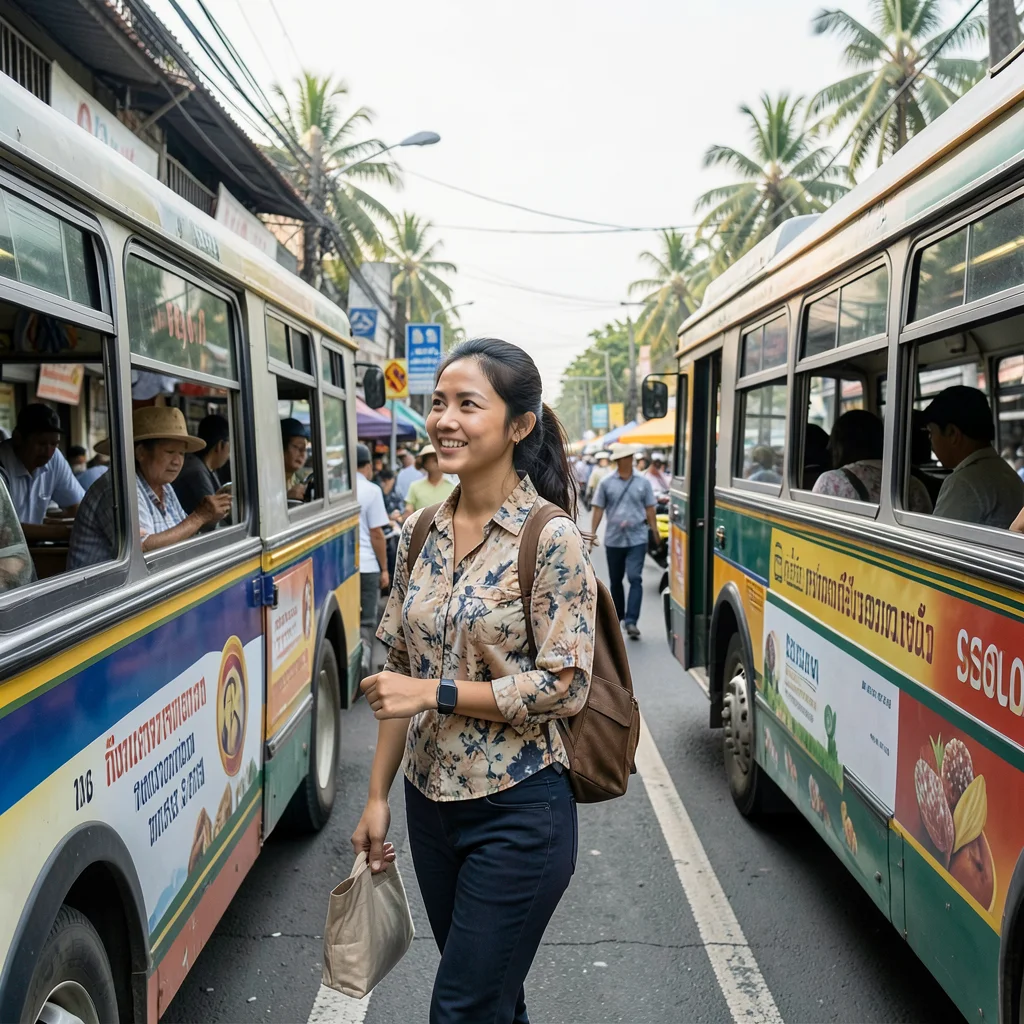
Thailand Local Transportation: Solo Female Travelers’ 2026 Health & Savings Guide
- Thailand Local Transportation: Solo Female Travelers’ 2026 Health & Savings Guide
Thailand local transportation: Embarking on a solo adventure in Thailand as a female traveler in 2026 offers incredible freedom and discovery. A crucial aspect of this journey is mastering local transportation, balancing safety, health, and budget. This guide provides practical insights and actionable tips to navigate Thailand’s diverse transport landscape with confidence, ensuring your trip is both memorable and economical.
Understanding the nuances of Thailand local transportation is key to a smooth and enjoyable experience. From bustling city streets to serene island routes, knowing your options helps you make informed decisions, avoid common pitfalls, and maximize your savings while prioritizing your well-being. This guide focuses on what you need to know for 2026, with an emphasis on health considerations and cost-effectiveness for solo female explorers.
Major cities like Bangkok present a vibrant, albeit sometimes overwhelming, public transport network. The BTS Skytrain and MRT Subway are excellent starting points, offering efficient, air-conditioned travel above and below ground. For solo female travelers, these are generally safe and reliable options, especially during peak hours. Purchasing a stored-value card (like the Rabbit Card for BTS) can save time and money.
Taxis and ride-sharing apps like Grab are also abundant. Always ensure the taxi meter is used; if a driver refuses, politely decline and find another. Ride-sharing apps offer upfront pricing and driver details, adding a layer of security. For shorter distances or a more local experience, tuk-tuks can be fun, but agree on the fare *before* starting your journey, as they are often more expensive than taxis and lack meters.
Motorcycle taxis are ubiquitous for quick hops through traffic. While incredibly efficient, they carry the highest risk. If you choose to use them, always wear a helmet (insist on one if not offered) and secure your belongings. For health-conscious travelers, consider the hygiene of shared helmets and the exposure to pollution.
Urban Transportation Comparison
| Mode | Pros | Cons | Best For |
|---|---|---|---|
| BTS/MRT | Fast, efficient, air-conditioned, safe | Limited routes, can be crowded | Commuting, avoiding traffic |
| Taxis | Door-to-door, widely available | Meter disputes, traffic delays | Comfort, convenience |
| Grab | Upfront pricing, driver details, safe | Higher cost than meters sometimes | Security, ease of booking |
| Tuk-Tuk | Iconic experience, open-air | Expensive, no meter, noisy | Short, novelty rides |
| Motorcycle Taxi | Fastest through traffic | High risk, requires helmet | Quick solo hops |
Inter-City and Regional Travel: Connecting the Kingdom
Traveling between cities in Thailand offers several cost-effective and relatively safe options for solo female travelers. Overnight buses are a popular choice for budget-conscious travelers, often featuring reclining seats and air conditioning. Opt for VIP or first-class buses for more comfort and space. Booking tickets in advance, especially for popular routes, is recommended.
Trains provide a more scenic and relaxed journey. The Thai railway network connects major cities, with sleeper berths available for overnight trips, allowing you to save on accommodation. While generally safe, be mindful of your belongings, especially in overnight carriages. Booking second-class air-conditioned or first-class cabins offers a good balance of comfort and security.
For destinations not easily reached by train or bus, domestic flights are a practical solution. Airlines like AirAsia, Nok Air, and Thai Lion Air offer competitive fares, especially when booked in advance. While flights are the quickest option, consider the environmental impact and the added time for airport transfers. For island hopping, ferries and speedboats are the primary modes of transport. Choose reputable operators and be aware of weather conditions, especially during the monsoon season.
Health and Safety Considerations for Solo Travelers
Prioritizing health and safety is paramount for solo female travelers. When using public transport, stay aware of your surroundings, especially in crowded areas. Keep valuables secure and out of sight. It’s wise to have a basic first-aid kit handy for minor injuries.
For longer journeys, especially on buses or trains, staying hydrated is crucial. Carry your own water bottle and refill it from reputable sources or bottled water. Avoid accepting food or drinks from strangers. If you opt for motorcycle taxis, ensure your helmet is clean or bring your own disposable liner. In hot weather, take breaks and stay cool, as dehydration and heatstroke can be serious concerns.
Emergency contact information should be readily accessible. Have local emergency numbers programmed into your phone and share your itinerary with someone back home. Familiarize yourself with common scams and be cautious of overly friendly strangers offering unsolicited help or unusually cheap tours, especially when combined with transport.
Budgeting Your Transportation: Savings Tips for 2026
Saving money on transportation in Thailand is achievable with smart planning. Utilize public transport like buses and trains whenever possible, as they are significantly cheaper than taxis or flights. For urban travel, investigate multi-day passes or stored-value cards for subways and skytrains.
Book inter-city buses and trains in advance, especially during peak seasons, as early bird discounts are common. Consider overnight journeys to save on accommodation costs. For shorter distances, walking or renting a bicycle in smaller towns can be both economical and a great way to explore at your own pace.
When using ride-sharing apps, compare prices with metered taxis. Sometimes, a metered taxi booked directly can be cheaper. Always clarify fares for tuk-tuks and songthaews (shared pick-up trucks) before boarding. Negotiate politely but firmly.
Transportation Savings Checklist
- Prioritize public transport (BTS, MRT, buses, trains).
- Book inter-city travel in advance for discounts.
- Consider overnight journeys to save on accommodation.
- Use ride-sharing apps strategically, compare with taxis.
- Negotiate fares clearly for tuk-tuks and songthaews.
- Walk or cycle for short distances where safe.
- Investigate transport passes for extended stays in cities.
Sustainable Travel Choices
As responsible travelers, making sustainable choices contributes positively to Thailand’s environment and communities. Opting for public transport like trains and buses significantly reduces your carbon footprint compared to individual car or taxi usage. Many local buses and trains run on cleaner fuels or are more energy-efficient per passenger.
When traveling between islands, choose ferries over speedboats where feasible, as they generally consume less fuel per person. In areas with good cycling infrastructure, renting a bicycle or even walking can be the most eco-friendly way to explore. Supporting local transportation providers, such as family-run bus services or community-based ferry operations, also contributes to the local economy.
Frequently Asked Questions (FAQ)
Q1: Is it safe for solo female travelers to use public transportation in Thailand?
A: Generally, yes. Major public transport like BTS, MRT, and inter-city trains and buses are considered safe. Always stay aware of your surroundings, secure your belongings, and avoid traveling alone late at night in isolated areas.
Q2: What is the cheapest way to get around Thailand?
A: The cheapest options are typically local buses and trains for inter-city travel, and local buses or songthaews within cities. Walking and cycling are also free for short distances.
Q3: How can I ensure my safety when taking a taxi or Grab in Thailand?
A: For taxis, always insist on using the meter. If the driver refuses, find another. For Grab, the app provides driver details and upfront pricing, adding a layer of security. Share your ride details with a friend.
Q4: Are motorcycle taxis safe for solo female travelers?
A: Motorcycle taxis are convenient but carry the highest risk due to traffic accidents. If you use them, always wear a helmet and secure your belongings. It’s advisable to use them sparingly and for short distances only.
Q5: What are some money-saving tips for transportation in Thailand?
A: Book tickets in advance, utilize public transport, consider overnight journeys, compare taxi and ride-sharing prices, and negotiate fares clearly. Walking or cycling for short trips also saves money.
Conclusion
Navigating Thailand’s local transportation system as a solo female traveler in 2026 is an integral part of the adventure. By understanding your options, prioritizing safety and health, and employing smart budgeting strategies, you can travel confidently and affordably across the Kingdom. Embrace the journey, stay informed, and enjoy the incredible experiences that Thailand has to offer.