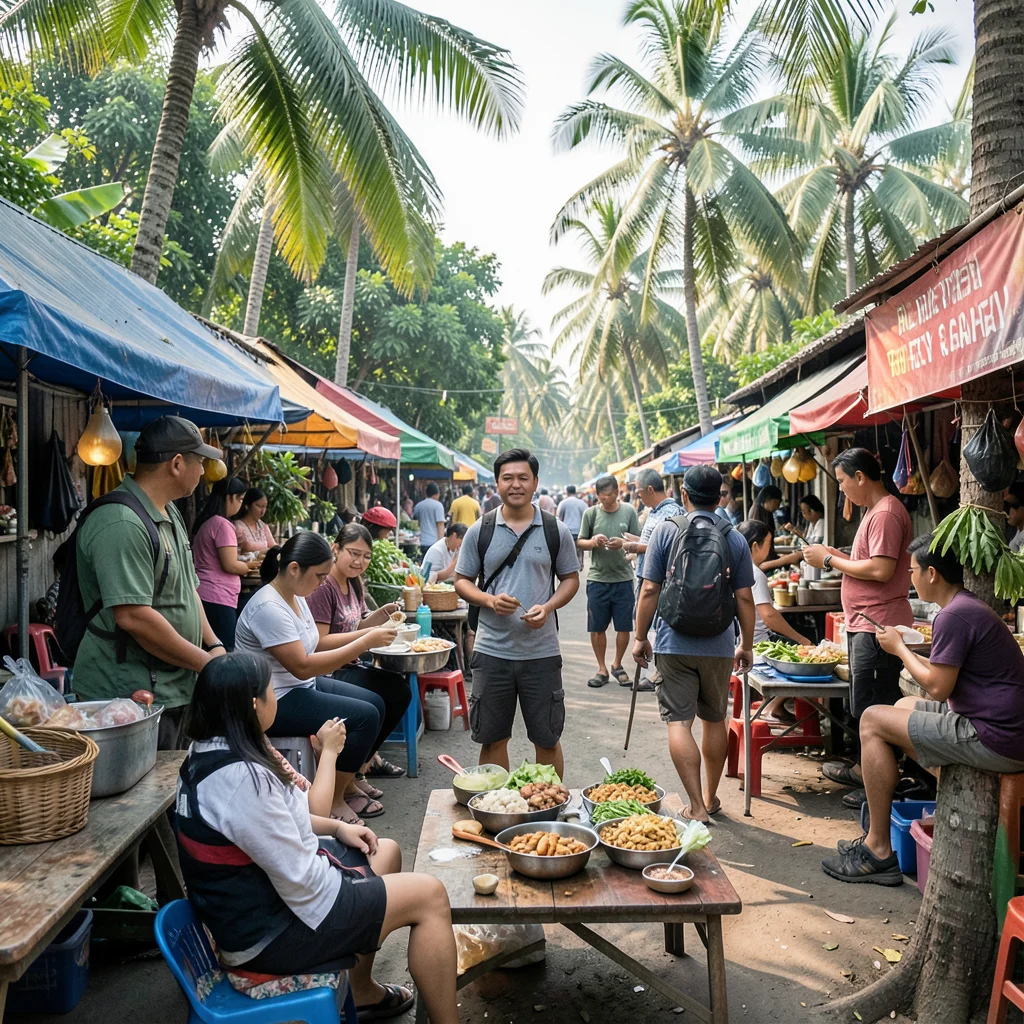
Thailand Street Food & Hygiene: A Budget Backpacker’s Guide to Staying Safe and Legal
- Thailand Street Food & Hygiene: A Budget Backpacker’s Guide to Staying Safe and Legal
- Thailand street food hygiene: The Allure of Thailand’s Street Food
- Navigating Hygiene: What to Look For
- Staying Legal: Vendor and Consumer Guidelines
- Smart Choices for Budget Backpackers
- Common Misconceptions and Risks
- Checklist: Your Street Food Safety Kit
- Comparison: Restaurant vs. Street Food for Budget Travelers
- Conclusion
- Frequently Asked Questions (FAQ)
Thailand street food hygiene: Embarking on a budget adventure in Thailand means diving headfirst into its legendary street food culture. From sizzling Pad Thai to fragrant curries, the streets offer an unparalleled culinary journey. However, as a budget backpacker, staying safe and healthy is paramount. This guide will equip you with the knowledge to enjoy Thailand’s street food, ensuring your hygiene practices are sound and you remain within legal boundaries, all without breaking the bank.
Thailand street food hygiene: The Allure of Thailand’s Street Food
Thailand’s street food is more than just a meal; it’s a cultural cornerstone. Vendors are often family businesses, passing down recipes and techniques through generations. The affordability makes it a dream for backpackers, offering authentic flavors at a fraction of restaurant prices. From bustling Bangkok markets to quiet island stalls, the variety is astounding. Mastering the art of choosing wisely is key to a delicious and worry-free experience.
While most vendors maintain high standards, a discerning eye can prevent potential issues. Here are key indicators of good hygiene:
- Cleanliness of the Stall: Observe the general tidiness. Are surfaces wiped down? Are utensils clean? Is there a visible effort to maintain order?
- Food Handling Practices: Look for vendors who use gloves or tongs to handle cooked food, especially ready-to-eat items. Avoid stalls where raw and cooked foods are mixed or handled with bare hands.
- Ingredient Freshness: Are ingredients displayed attractively and kept at appropriate temperatures? Are raw meats and seafood properly chilled or on ice?
- Water Source: For drinks and ice, ensure the water used is filtered or bottled. Vendors should have a clear system for water hygiene.
- Waste Disposal: Proper trash receptacles should be available and emptied regularly.
Staying Legal: Vendor and Consumer Guidelines
Understanding the legal landscape, even as a tourist, is beneficial. Most street food vendors operate under local regulations, which can vary. Generally:
- Permits and Licenses: Legitimate vendors often have permits displayed, though this isn’t always visible to tourists. Focus on established stalls that appear regularly.
- Designated Areas: In major cities, street food is often concentrated in specific zones or markets to manage traffic and hygiene.
- Consumer Rights: While direct consumer rights can be complex, reporting egregious hygiene violations to local authorities is an option, though often impractical for tourists. Your best defense is informed choice.
For budget backpackers, befriending locals or experienced travelers can offer invaluable insights into which stalls are consistently safe and popular.
Smart Choices for Budget Backpackers
Maximizing your street food experience while minimizing risk involves strategic decision-making:
Popularity is a good sign: A long queue of locals often indicates fresh, delicious, and safe food. Vendors with high turnover are less likely to serve old ingredients.
Cooked-to-order is best: Opt for dishes prepared fresh in front of you. This reduces the risk of food sitting out at unsafe temperatures.
Be wary of ice: In less developed areas, ensure ice is made from purified water (often marked with a small hole in the center of the cube). Stick to bottled drinks if unsure.
Start slow: If you have a sensitive stomach, introduce new foods gradually. Avoid overly spicy dishes or exotic ingredients on your first few days.
Common Misconceptions and Risks
A common misconception is that all street food is inherently unsafe. While risks exist, they are often manageable. The primary risks include bacterial contamination from improper food handling or storage, and cross-contamination. Traveler’s diarrhea is more common than severe food poisoning, and often manageable with rest and hydration. However, serious illnesses can occur, making vigilance important.
Checklist: Your Street Food Safety Kit
Before you dig in, run through this quick checklist:
- Observe: Does the stall look clean and organized?
- Watch: Are food handlers practicing good hygiene?
- Smell: Does the food smell fresh?
- Ask: If unsure about ingredients or preparation, don’t hesitate to ask (pointing and gestures work well).
- Trust your gut: If something feels off, it’s okay to walk away.
- Carry hand sanitizer: Use it before eating, especially if you’re eating with your hands.
Comparison: Restaurant vs. Street Food for Budget Travelers
| Feature | Street Food | Budget Restaurants |
|---|---|---|
| Cost | Very Low | Moderate |
| Authenticity | High | Varies, often adapted |
| Hygiene Risk | Manageable with observation | Generally Higher Standards, but can vary |
| Speed of Service | Fast | Moderate |
| Variety | Extensive | Limited by establishment |
| Atmosphere | Vibrant, Local | Quieter, Tourist-Oriented |
Conclusion
Thailand’s street food is an unmissable part of the travel experience. By applying these simple hygiene checks and making informed choices, budget backpackers can safely and legally savor the incredible flavors the country has to offer. Eat smart, stay healthy, and enjoy your culinary adventure!
Frequently Asked Questions (FAQ)
Q1: Is all street food in Thailand unsafe?
A1: Not at all. While risks exist, most vendors are reputable. Following hygiene tips greatly reduces the chance of illness.
Q2: How can I tell if a vendor is hygienic?
A2: Look for clean stalls, proper food handling (gloves, tongs), fresh ingredients, and a high turnover of customers, especially locals.
Q3: What should I do if I get sick from street food?
A3: Stay hydrated, rest, and consume bland foods. Over-the-counter medications can help manage symptoms. If symptoms are severe or persistent, seek medical attention.
Q4: Are there specific areas where street food is safer?
A4: Major tourist hubs and designated food markets often have stricter oversight. However, popular local spots outside these areas are also usually very safe.