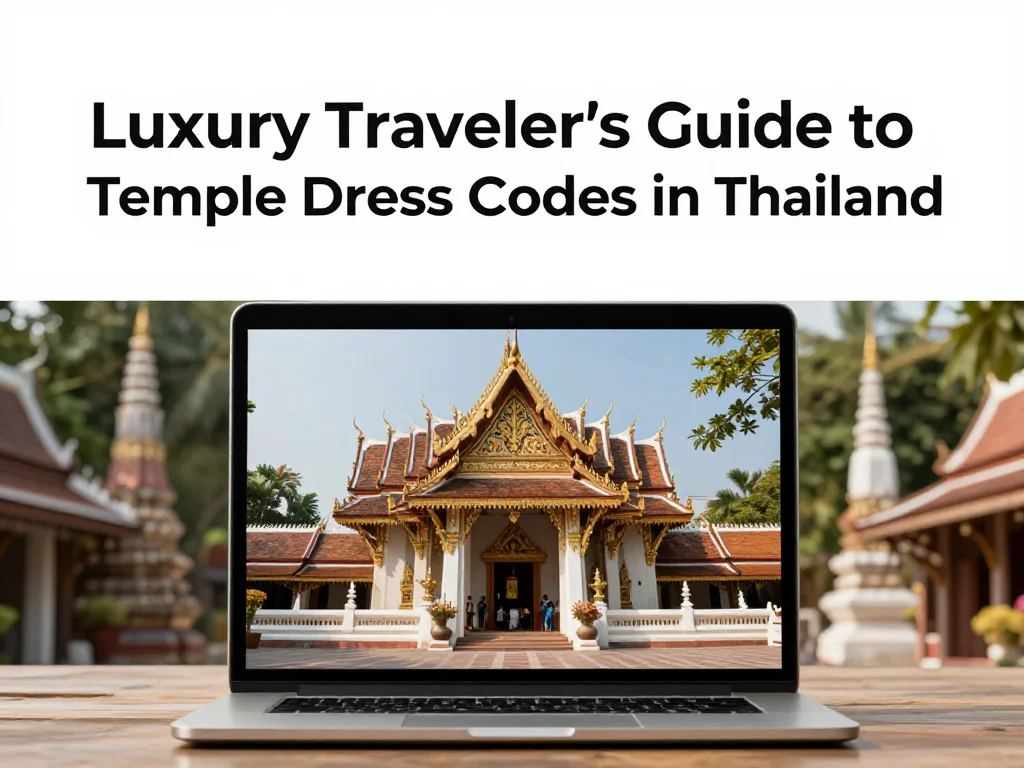
Temple Dress Codes in Thailand: A Luxury Traveler’s Guide to Respect and Ease
Visiting sacred sites is a cornerstone of the Thai experience, yet navigating temple dress codes in Thailand can often feel like a hurdle for the luxury traveler. You want to maintain your personal style while adhering to local customs that prioritize modesty and reverence. Understanding these requirements doesn’t have to mean sacrificing comfort or elegance. With a few strategic choices, you can seamlessly transition from a high-end resort to the hallowed grounds of Wat Arun or Wat Phra Kaew with confidence and ease.
temple dress codes in Thailand: The Philosophy Behind the Dress Code
In Thai culture, temples are not merely tourist attractions; they are active places of worship where locals come to make merit and seek spiritual solace. The dress code is fundamentally an expression of respect—not just for the religion, but for the space itself. By covering the shoulders and knees, you signal that you recognize the sanctity of the environment. For the luxury traveler, this is an opportunity to embrace refined, lightweight fabrics that are appropriate for the tropical climate while remaining impeccably stylish.
Essential Guidelines for Proper Temple Attire
While regulations can vary slightly between sites, the core requirements for temple dress codes in Thailand are remarkably consistent. Adhering to these simple rules ensures you are never turned away at the entrance.
- Shoulders Must Be Covered: Tank tops, spaghetti straps, and off-the-shoulder tops are generally prohibited. A light linen blazer, a high-quality pashmina, or a silk shawl can elevate your outfit while meeting the requirement.
- Knees Must Be Hidden: Shorts, short skirts, and ripped jeans are disrespectful. Opt for tailored trousers, maxi dresses, or wide-leg palazzo pants.
- Footwear Matters: You will be required to remove your shoes before entering the inner sanctum of the temple. Wear slip-on designer loafers or high-end sandals that are easy to take off and put on.
- Avoid Transparent Fabrics: Even if the garment covers the required areas, sheer or see-through materials are considered inappropriate for sacred spaces.
Luxury Travel Solutions: Style Meets Respect
You don’t have to resort to wearing a generic, rented sarong from a street vendor. The key is curating a travel wardrobe that serves double duty. Think of breathable materials like linen, silk-cotton blends, and moisture-wicking tech fabrics that look sophisticated.
| Item Type | Recommended Material | Why It Works |
|---|---|---|
| Pants | Linen or High-Quality Cotton | Breathable, elegant, and fully compliant. |
| Cover-up | Silk Pashmina or Cashmere Wrap | Lightweight, packs small, and adds a touch of luxury. |
| Footwear | Leather Slip-ons | Easy to remove and looks polished. |
| Dress | Maxi-length Silk | Keeps you cool while covering legs entirely. |
The Importance of Preparation
For the luxury traveler, planning is everything. If you are on a guided private tour, your operator will likely remind you of the dress code. However, if you are exploring independently, always check the specific rules of the temple beforehand. Some sites, particularly the Grand Palace in Bangkok, have stricter enforcement than smaller, less-visited temples in the countryside. Carrying a high-quality, foldable wrap in your designer bag is the ultimate insurance policy against being caught off-guard.
Common Pitfalls to Avoid
- Assuming that because you saw someone else wearing shorts, it is acceptable. Often, tourists are let in by mistake, or the rules are inconsistently enforced by security staff. Do not use this as a benchmark.
- Wearing athletic wear or gym gear. While it is comfortable, it is generally considered too casual and disrespectful for sacred sites.
- Forgetting to remove your hat or sunglasses. It is polite to remove these as soon as you enter the temple grounds.
Conclusion
Respecting temple dress codes in Thailand is an essential part of the cultural exchange that makes travel so rewarding. By choosing elegant, modest clothing, you demonstrate a level of cultural awareness that is deeply appreciated by the local community. It allows you to move through these magnificent, historic spaces with ease, focusing on the intricate architecture and spiritual atmosphere rather than worrying about your attire. With the right preparation, your visit to Thailand’s most sacred sites will be both culturally immersive and perfectly comfortable.
Frequently Asked Questions (FAQ)
A: Yes, but ensure it is substantial enough to fully cover your shoulders and does not slip off easily. A high-quality pashmina is an excellent choice for a luxury traveler.
A: Generally, younger children are given more leeway, but it is best practice to dress them modestly as well to show respect for the local customs.
A: Most major tourist temples, like the Grand Palace, offer rental sarongs or trousers for a small fee. However, these are rarely the most stylish options, which is why bringing your own is preferred.